Yes — you can drink alcohol in Bhutan. It is freely available in restaurants, bars, hotels and shops across the country, and Bhutan produces its own beer, whisky, vodka and wine. Bhutan is a deeply spiritual country — and yet drinking is woven into its social fabric in ways that might surprise first-time visitors. A warm bowl of ara in a Bumthang farmhouse, a cold Druk 11000 halfway up the Tiger's Nest trail, your driver waiting at the trek end with cake and a cold beer — the kingdom has more to offer than most people expect.
This guide covers everything: local drinks, craft beer, whisky, brewery visits, cocktail bars across the country, duty-free allowances, and the cultural context that makes drinking in Bhutan different from anywhere else you have been. If you are also curious about food, read our complete guide to food and restaurants in Bhutan.
Local Drinks — Ara, Bangchang and the Traditions Behind Them
Before we talk about bars and bottles, you need to understand the local drinks. Bhutan has a rich tradition of home-brewed and distilled beverages — each with its own character, occasion, and regional identity. According to Bhutan's National Health Survey, which tested nearly 800 samples of home-brewed alcohol from across the country, the local drink landscape includes Ara (distilled spirit), Bangchang (fermented grain brew), Singchang, and Tongba (millet beer served in a bamboo vessel). All of these are part of everyday Bhutanese life — offered at festivals, shared in homes, poured in rituals, and drunk in quantity across the eastern highlands.
In this article, I am focusing on Ara and Changkay — the two local drinks most relevant to visitors and most deeply connected to Bhutanese cultural life.
Bhutan's National Health Survey tested nearly 800 samples of home-brewed alcohol from across the country — including ara, bangchang, singchang and tongba — and found methanol present in almost 20% of all samples. Over 30% of households nationwide brew alcohol at home, with the highest rates in Trashigang (73.3%), Lhuentse (62.5%) and Zhemgang (62.3%).
"During the distillation, if there is fluctuation or if the temperature is wrong, then methanol also comes into your drink. And that could be fatal. Just a small 10 ml of methanol, if you drink it, then your optic nerve might get damaged and cause blindness instantly. And any higher amount of methanol can cause death," said Adeep Monger, Deputy Chief Laboratory Officer, Royal Centre for Disease Control.
Commercially produced alcohol is regulated and tested — the concern is specifically with unregulated home-brewed spirits. A few years ago in Dagana, four people died from alcohol poisoning after consuming home-brewed alcohol. If you are offered ara in a home, particularly in the eastern districts, it is completely fine to accept — but if something tastes unusually harsh or chemical, do not continue drinking it. When in doubt, stick to commercially bottled products.
Source: National Health Survey, Bhutan Ministry of Health. Reported by Karma Samten Wangda.
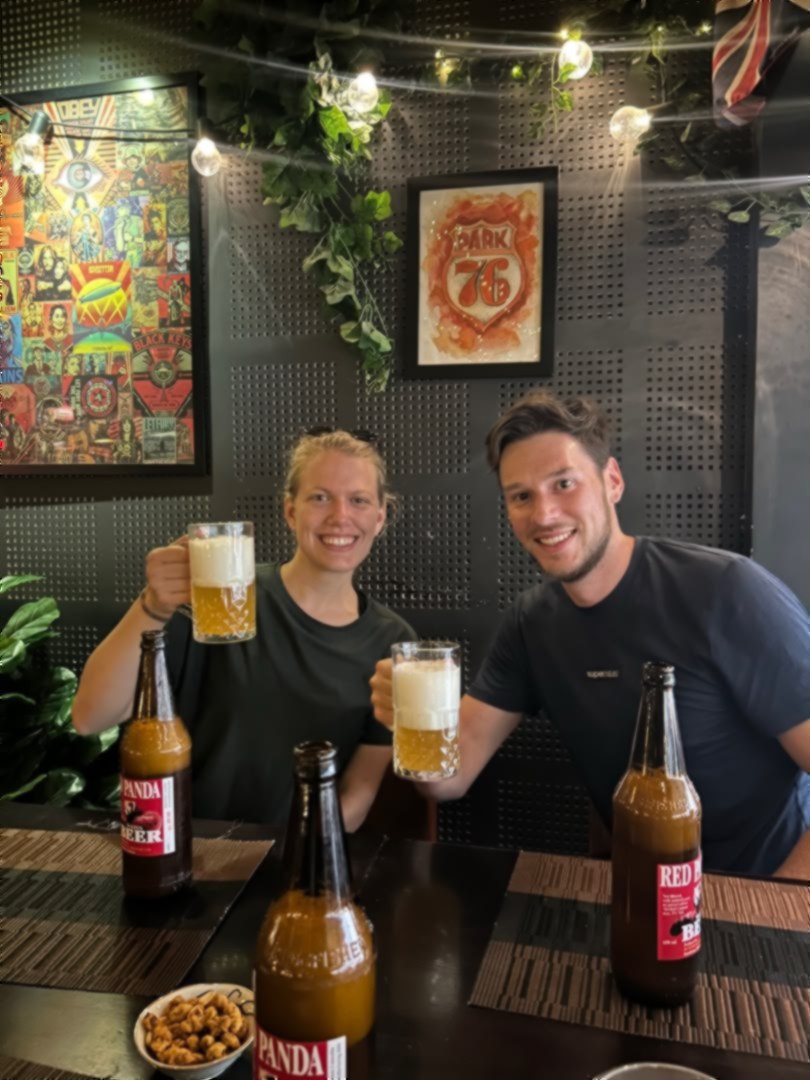
Beer in Bhutan — What to Order
Bhutan produces its own beer and it is genuinely good. You will find local bottles in every restaurant, hotel bar and convenience shop across the country. Here are the ones worth knowing.
Spirits and Wine — Whisky, Vodka and Local Wines
Bhutan produces its own whisky, vodka, rum and wine — and the range has improved considerably in recent years. For the curious drinker who wants to move beyond beer, there is genuinely plenty to explore.
Brewery Visits
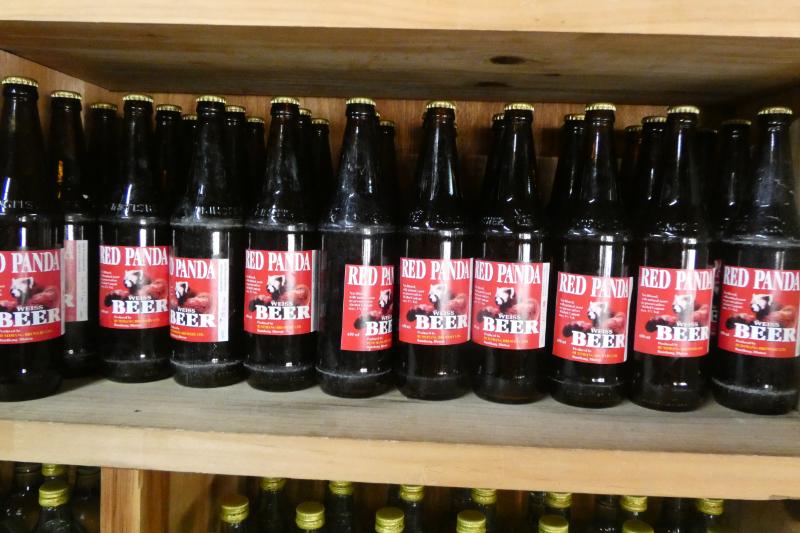
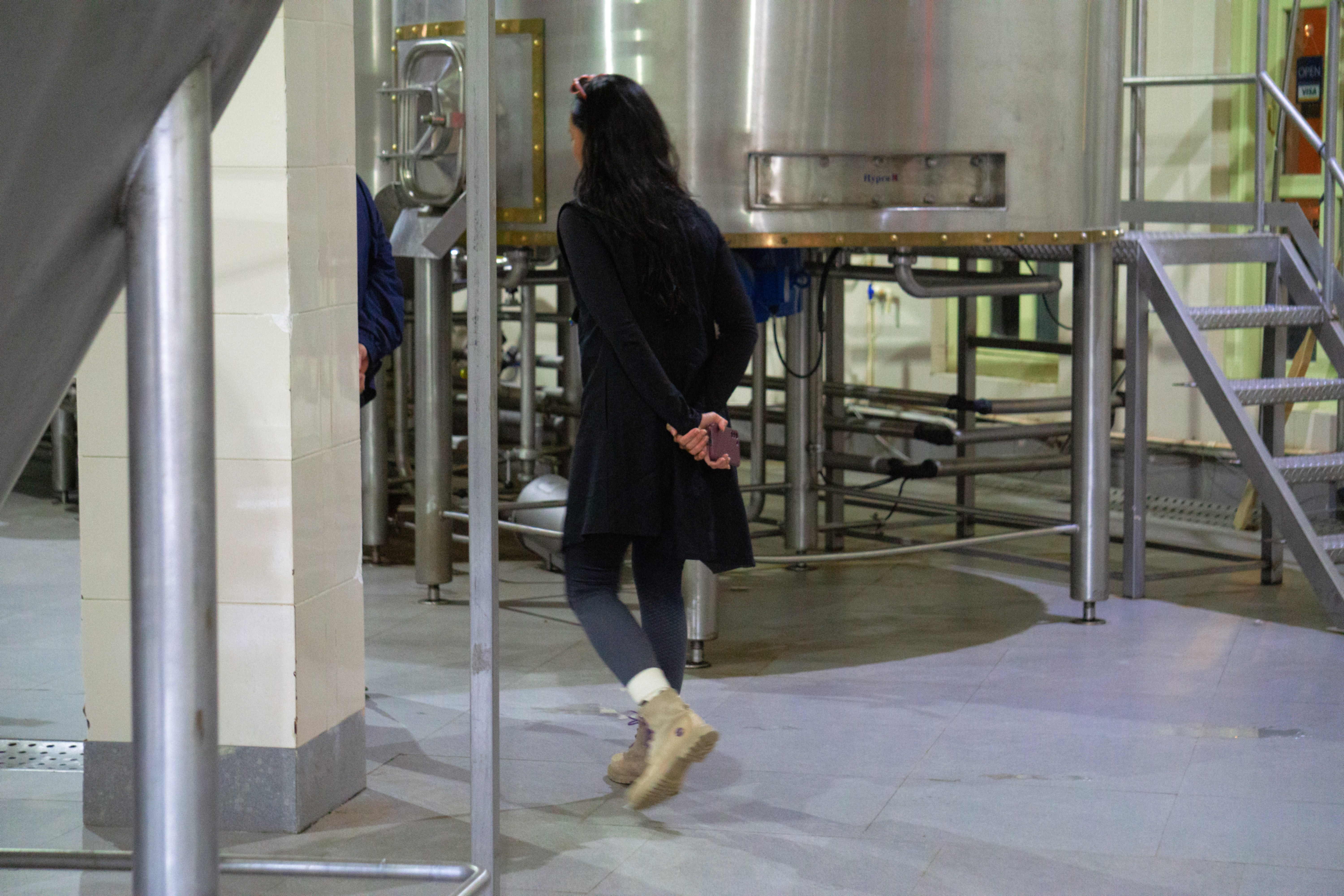
Two brewery visits worth planning into your itinerary — one in Bumthang, one in Paro. Both are small, characterful, and genuinely worth the stop. If you are planning a cultural tour that includes Bumthang, see our cultural tour itineraries.
Drinks for Gifts and Collecting
Bhutanese drinks make excellent gifts — they are genuinely unique, hard to find elsewhere, and most bottles carry the kind of distinctive Bhutanese design that makes them worth keeping after the contents are gone.
- K5 Whisky — The premium gift choice. Named after the fifth King of Bhutan, K5 is distinctive, well packaged, and carries real meaning. If you are bringing one bottle home for someone who drinks whisky, this is the one.
- Red Panda (bottled) — Pick up bottles in Bumthang at the brewery, or look for it in shops in Thimphu and Paro. The label alone is worth keeping.
- Druk Lager — Light, easy to pack, and unmistakably Bhutanese. A good casual gift for beer drinkers.
- Druk 11000 — Iconic and inexpensive. The beer everyone in Bhutan knows. Great as an extra bottle in your bag.
- Wheat Beer or Red Rice Beer from NAB — NAB's craft range makes an interesting gift for someone who appreciates artisan beer. The red rice beer in particular is unique to Bhutan.
- Tér Whisky — An 18-year single malt meaning "treasure" in Dzongkha. The most premium Bhutanese spirit you can buy and without doubt the finest gift from the kingdom for any serious whisky drinker.
The simplest way to protect bottles in your luggage is to wrap them in your clothes — a thick jumper or rolled-up trousers cushion surprisingly well and take up no extra space. Bubble wrap and bottle protectors are not always easy to find in Bhutan, so packing smart with what you already have is the way to go. Duty-free at Paro Airport also stocks local products — see the section below on airport limits.
Drinking Culture — Especially in the East
Bhutan's relationship with alcohol is complex. The country sells it freely, taxes it, and regulates it — but drinking is also deeply embedded in social life in ways that vary significantly by region.
In the western districts — Thimphu, Paro, Punakha — drinking culture has been shaped by urban influence, tourism, and a younger generation. You will find bars, restaurants with wine lists, and craft beer. It feels relatively familiar.
In the eastern districts — Trashigang, Mongar, Lhuentse, Samdrup Jongkhar — drinking culture is more traditional and significantly more intense. Drinking is a natural part of socialising — shared freely at festivals, in homes and across communities. Festivals involve communal drinking sessions that can last days. What makes the eastern tradition particularly distinctive is the structured way alcohol is offered throughout any visit to a home. Each moment has its own drink with its own name:
- Jon Chang — the welcome drink, offered when you arrive
- Hup Chang — offered while eating, alongside the meal
- Zhim Chang — offered at bedtime, to help you sleep
- Lam Chang — the farewell drink, offered as you leave
If you are staying with a local family or visiting a home in the east, be prepared — alcohol will be offered at each of these moments as a matter of tradition and hospitality, not excess. You can decline the first offering politely — Bhutanese hosts understand and will not take offence. However, there is one custom worth knowing: when someone comes to top up your cup — to refill it while you are still drinking — this is called Dren. The Dren is the act of topping up, and by tradition, this one you do not refuse. It is a sign of warmth and continued hospitality. Accept the Dren graciously — it is one of those small Bhutanese gestures that says more than words. If you are travelling to the east, your guide will be with you and can help navigate these moments.
One thing worth knowing about Bhutan's border towns — particularly Phuentsholing, Samdrup Jongkhar and Gelephu — is that they have a high concentration of liquor shops. These towns sit at the India-Bhutan border, and it is very common for Indian visitors to cross over specifically to purchase Bhutanese alcohol — the quality is good and the prices are attractive compared to what is available across the border. If you are entering Bhutan through a land border, you will notice this immediately. Each person crossing back into India is allowed to carry a maximum of two bottles, so the shops near the border are well set up for exactly this kind of purchase.
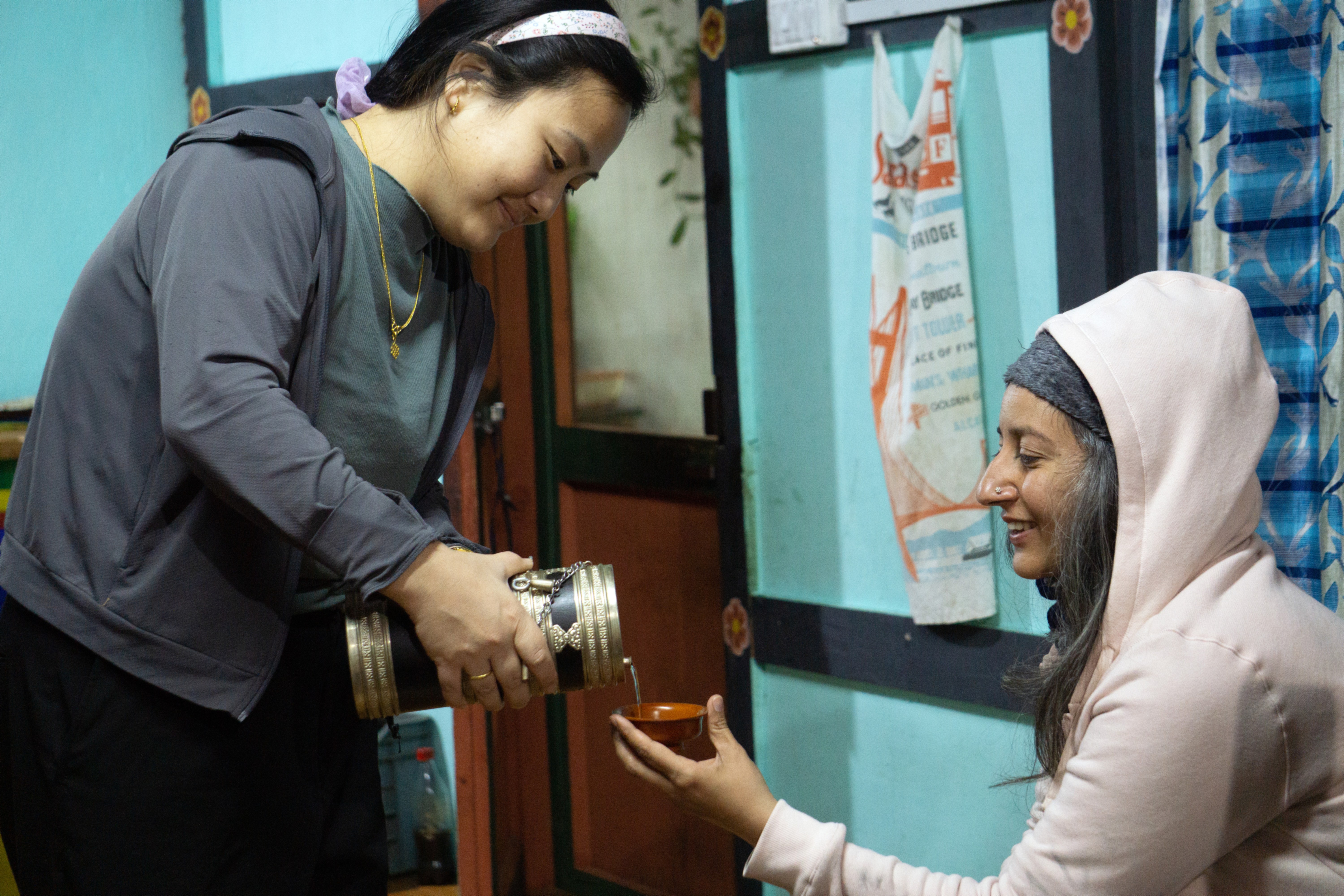
Serkem — The Ritual of Offering Drinks
Serkem (གསེར་སྐྱེམ་) is one of the most important ritual practices involving drink in Bhutan. It translates roughly as "golden drink offering" — the act of offering alcohol to deities, protective spirits, or the Three Jewels of Buddhism as an act of devotion and gratitude.
Closely related is Marchang — a deeper tantric ritual in which chang (alcohol) is mixed with butter, placed in a decorated ceremonial vessel, and consecrated through chanting the syllables oṃ, aḥ, huṃ. Through this process, ordinary alcohol is understood to be transformed into transcendental nectar and offered sequentially to spiritual teachers, deities, dharma protectors — including Mahākāla — and all sentient beings. According to Drukpa Buddhist teaching, its consumption helps people overcome ordinary biases and move towards enlightenment. Marchang remains central to ritual celebrations in Bhutan today, concluding with guests receiving and drinking the blessed alcohol.
On a much quieter, everyday level — you may see a Bhutanese mother or grandmother walking to the local temple in the morning with a small child, carrying a bottle of ara as an offering to the protective deities. If the baby has been crying through the night, or has fallen ill, the family makes this offering — a quiet, sincere ask for protection and relief. The spiritual dimension of alcohol in Bhutan runs from grand tantric ceremony all the way down to this single bottle carried by a grandmother at dawn.
Where to Unwind on Tour
After a long day of sightseeing, mountain drives and monastery visits, Bhutan has good places to sit down, slow down, and let the evening come to you. Here are the spots worth knowing across the three main stops on most cultural tours.
.JPG)
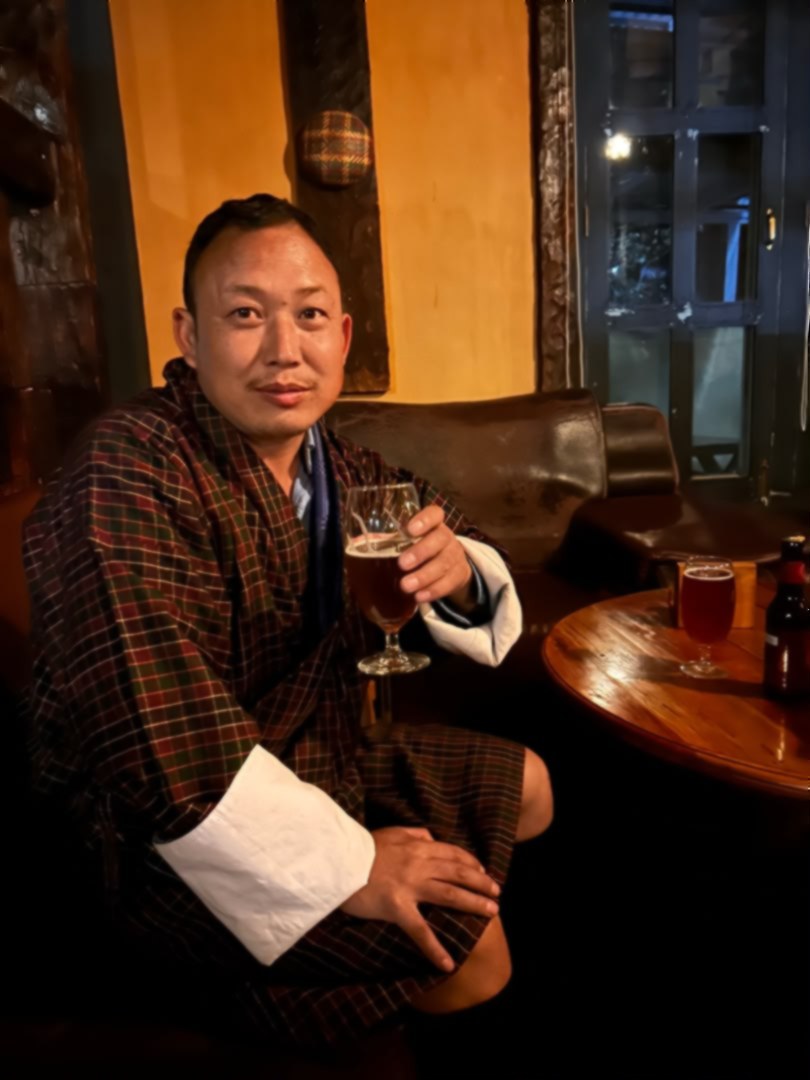

Nightlife — Thimphu and Paro
Bhutan does have a nightlife — it is just quieter and closes earlier than what most visitors from major cities are used to. That said, the atmosphere is warm, genuine, and worth experiencing.
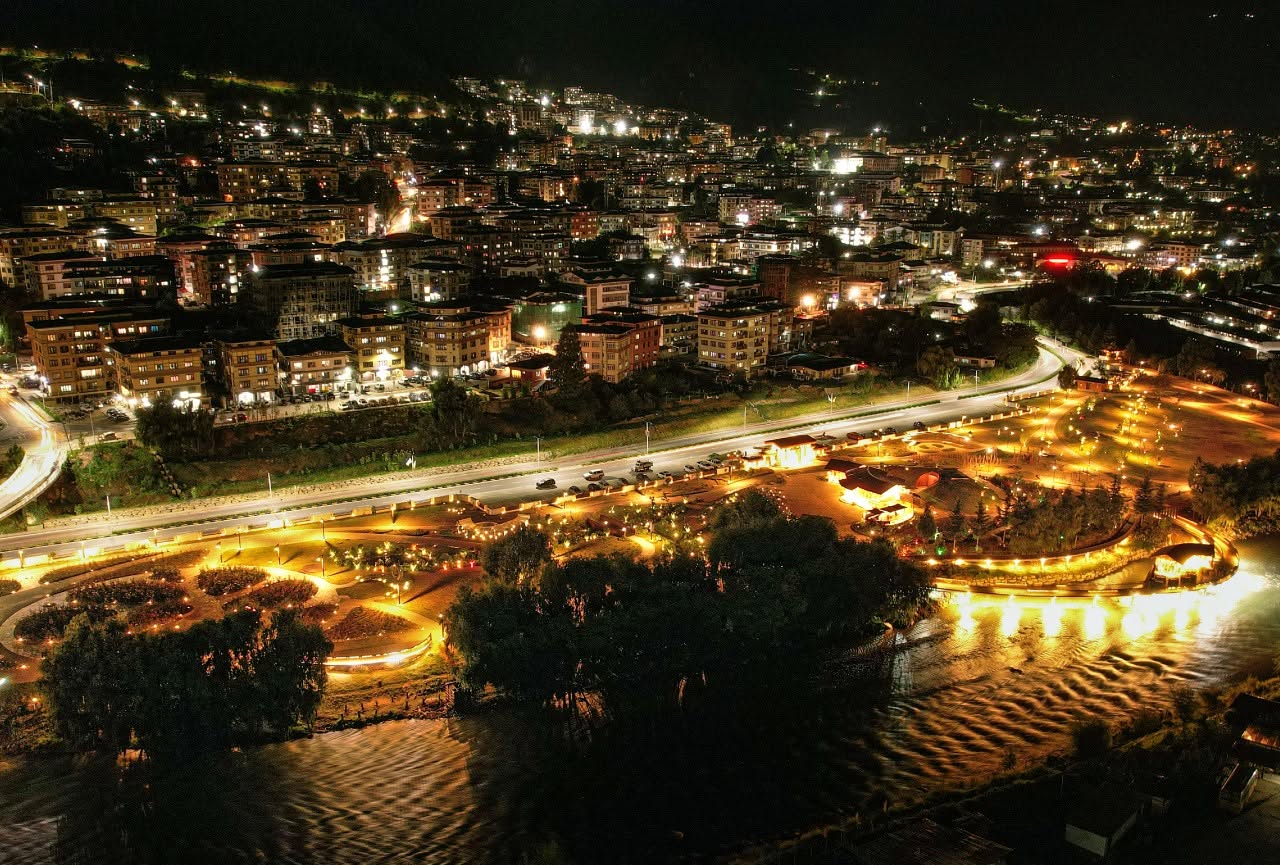
In Thimphu, the evenings have a character of their own. The younger Bhutanese crowd gravitates towards karaoke bars — loud, cheerful, and very social — and a growing number of live music bars that host bands and performers on weekends. Places like Mojo Park, Alchemy, Grey Area, Elevate, Avenue 28, Blackout, Aroma Dine & Bar and Vision Lounge are the names to know — each has its own vibe, and live music nights draw a good mix of locals and visitors. Check what's on when you arrive; Thimphu's scene moves quickly.
In Paro, nightlife is more subdued — a reflection of the town's smaller size and its role as an arrival and departure point. Old Factory is worth a visit — a characterful bar that has made a name for itself in Paro's small but growing scene. If you want to explore further, Vintage Club and Park 76 are also good options — each with their own character. The Paro valley at night, with the occasional light flickering up towards the hills, has a particular quietness that is its own kind of reward.
When the bars and clubs shut for the night, the evening does not always end there. It is a Thimphu tradition to drive up to a viewpoint — Sangaygang, Buddha Point, Thori Lam, Jungshina — to wind down under the night sky. The city lights from above at that hour are something else entirely. If you get the chance to join, take it. Just a reminder: drinking and driving is illegal in Bhutan and police do issue tickets — make sure whoever is driving has not been drinking.
The Bhutanese generally socialise in groups — family, colleagues, friends. You will rarely see someone drinking alone. Evening socialising tends to involve food alongside drink, and the pace is unhurried. Joining the flow of it, rather than trying to find something faster, is the right approach.
Buying a bottle and drinking in your hotel room might seem convenient, but from experience it rarely ends well. It gets boring quickly, rooms are not soundproofed, and when people drink in an enclosed space without the social rhythm of a bar, things can go sideways — noise complaints from neighbouring guests, broken things, arguments, the occasional accident. Hotels are for sleeping. Go out, find a bar, be around people. You will have a better evening, and so will everyone else on your floor.
Duty-Free and Airport Limits
Paro International Airport has a duty-free shop on both arrival and departure. You can buy imported spirits, wine, and beer — often at prices significantly lower than what you would pay in town.
According to the official Paro Airport Customs guidelines:
- Tourists bringing alcohol into Bhutan — 1 bottle, not larger than 1 litre, duty-free
- Bhutanese passengers bringing alcohol in — 2 bottles, each not larger than 2 litres, within the free allowance
- All dutiable goods must be declared on your passenger declaration form at the customs counter
For visitors taking alcohol out of Bhutan, you can purchase up to 4 bottles from the duty-free shop at Paro Airport — however the airport carry-on limit is 2 bottles. If transiting through India, check Indian customs import limits which are strictly enforced.
If you want to take Red Panda, K5 or local Bhutanese spirits home, buy them in Thimphu or at the brewery and pack them carefully in your checked luggage — do not rely solely on the airport departure shop as selection varies. For full and up-to-date customs rules, check the official Paro Airport Customs page.
Drinking Mindfully in Bhutan
Bhutan's approach to alcohol is pragmatic rather than puritanical. The government taxes it, regulates it, and restricts it near schools and monasteries. These policies reflect a genuine tension in Bhutanese society between tradition, social wellbeing, and economic reality.
As a visitor, a few things are worth keeping in mind:
- Drinking near religious sites — dzongs, lhakhangs, stupas — is disrespectful and in some cases prohibited. Your guide will indicate where this matters.
- Public drunkenness is frowned upon and can create serious problems for your guide and your tour operator. Enjoy yourself, but carry yourself well.
- If you are offered ara in a home or at a ceremony, a simple polite refusal — hand over the cup, slight bow of the head — is understood and will not cause offence. Accepting a small amount is always appreciated more than refusing outright.
Bhutan is at its most rewarding when you slow down. A cold Druk 11000 halfway up the Tiger's Nest trail, your driver waiting at the trek end with cake and a cold beer to welcome you back, a warm bowl of ara offered in a Bumthang farmhouse — these are small pleasures, and they are part of the country. Drink well, drink slowly, and pay attention to what is around you. That is the best way to do it.
And if a Bhutanese person tops up your cup without asking — smile, accept the Dren, and know that you are exactly where you are supposed to be.