Money is one of those things people think about at the last minute and then stress about on arrival. This guide covers everything — from which banks have ATMs to whether your UPI app works in Bhutan. Read it before you arrive and you will have no surprises.
The Currency
Bhutan's currency is the Ngultrum (Nu. or BTN). It is pegged 1:1 with the Indian Rupee, meaning one Ngultrum equals one Rupee and they are freely interchangeable. Indian nationals can use Indian Rupees almost everywhere in Bhutan without needing to exchange currency at all.
For all other nationalities, exchanging to Ngultrum is easy at Paro Airport on arrival, at any commercial bank, or at larger hotels in Thimphu and Paro. Keep your exchange receipt — you may need it to convert leftover Ngultrum back to your currency when you leave.
How Much Will You Get? — Live Exchange Rate
Banks in Bhutan
Bhutan has several commercial banks. For tourists, the ones that matter are Bank of Bhutan, Bhutan National Bank, Druk PNB and T Bank — these have ATMs that accept international Visa and Mastercard and are accessible in tourist areas.
Bhutan Development Bank focuses on rural communities and development lending — not a practical option for tourists. RICBL is primarily an insurance and financial services institution. DK Bank is currently partnering with Binance on crypto initiatives but is not a bank we recommend for general tourist use. Stick to the four below.




Most ATMs in Thimphu and Paro accept international Visa and Mastercard. Withdrawal limits are typically Nu 10,000–20,000 per transaction. Carry some cash when heading to smaller towns or remote areas — ATM coverage drops significantly outside urban centres.
Paying by Card
Major hotels, larger restaurants and tourist-facing shops in Thimphu and Paro accept Visa and Mastercard. American Express is less commonly accepted. Outside the main tourist areas — in smaller towns, local restaurants, markets and rural areas — cash is king. Always carry Ngultrum or Indian Rupees as backup.
Digital Wallets — GoBob and MyPay
Bhutan has two widely used digital payment platforms:

As a visitor, you can download GoBob and link it to an international card or fund it on arrival. It makes smaller purchases much easier than hunting for exact change.
UPI and BHIM — For Indian Tourists
Good news for Indian visitors — UPI works in Bhutan. The BHIM app and most UPI-enabled Indian banking apps can be used to pay at merchants who display UPI QR codes. This has become increasingly common in Thimphu and Paro, particularly at hotels, shops and restaurants catering to Indian tourists.

However, it is not universal. Not every shop has a UPI QR code, and in smaller towns coverage is limited. Carry Indian Rupees alongside your UPI app to cover all situations.
Indian Tourists Entering via Phuentsholing (Land Border)
If you are an Indian national entering Bhutan via the land border at Phuentsholing, there is an important payment rule to know before you arrive: when processing your entry permit, the SDF (Sustainable Development Fee) must be paid in cash only — no card payments and no UPI are accepted at the permit office. Make sure you carry enough Indian Rupees before crossing the border.
Beyond the permit process, many smaller establishments along the border route and in Phuentsholing town also prefer or require cash. Indian Rupees are accepted directly everywhere. While UPI and cards work at larger hotels and restaurants, local markets, street vendors and smaller guesthouses operate on cash. Come prepared.
Duty-Free Shopping — Use Your SDF Receipt
Bhutan operates a duty-free shop at Paro International Airport. Here is something many visitors do not know: you can use your SDF (Sustainable Development Fee) receipt to access duty-free allowances.
On departure, present your SDF payment receipt at the duty-free counter along with your boarding pass. This allows you to purchase duty-free alcohol, tobacco and other permitted goods at significantly reduced prices. The receipt proves you paid the SDF and qualifies you for the allowance. Do not throw away your SDF receipt — keep it for the airport.
Special Note for Indian Nationals — Alcohol and Gold
Indian nationals looking to purchase alcohol or gold at duty-free or at licensed outlets in Bhutan need to fulfil specific requirements:
- Your SDF receipt — proof that you paid the Sustainable Development Fee
- Your passport or a photocopy of your voter ID — as identity verification
- Payment must be made in Indian Rupees (cash) or by card
These requirements exist to regulate cross-border purchases and ensure goods are bought within permitted allowances. Keep all your documents together and accessible — your guide can help you navigate this process smoothly.
Purchasing Gold at Duty-Free
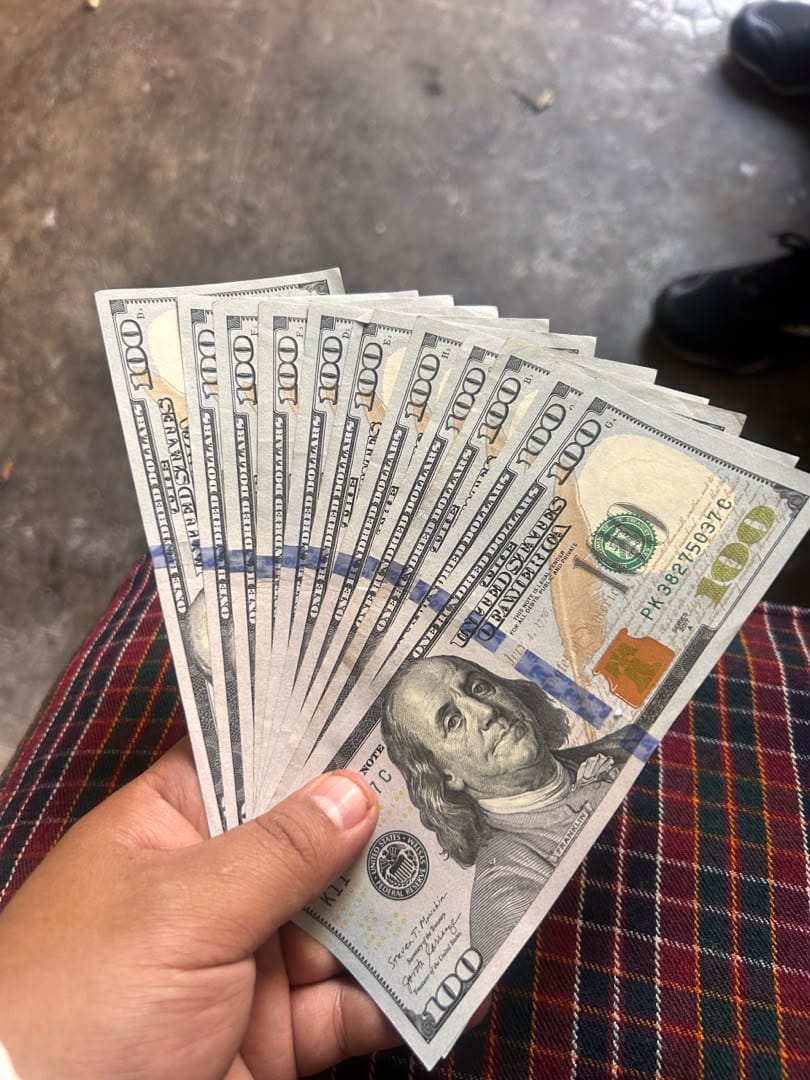
If you are planning to purchase gold at the duty-free shop at Paro International Airport, there is a strict payment rule: gold at duty-free can only be purchased in USD (US Dollars) cash only. Cards, UPI, digital wallets and other currencies are not accepted. No exceptions.
Make sure you carry enough USD cash if you are planning to buy gold on departure.
Live Gold Rate — Bhutan
Standard duty-free allowances apply. Your guide or the airport staff can confirm the current limits for alcohol, gold and tobacco at the time of your visit. Payment at the duty-free shop is accepted in Indian Rupees, major currencies and cards. Note: gold purchases at licensed shops require USD cash only.
Bitcoin and Cryptocurrency in Bhutan
This surprises most visitors: Bhutan officially mines Bitcoin. Druk Holdings and Investments — the investment arm of the Bhutanese government — has been operating Bitcoin mining operations using the country's hydropower since 2019, making Bhutan one of the few nations in the world with a state-level cryptocurrency mining programme.
Beyond mining, Bhutan and Binance officially partnered to launch a national digital residency programme and crypto payment solution — making Bhutan one of the first countries in the world to implement a government-backed cryptocurrency payment system. Binance Pay has seen real adoption at select hotels, restaurants and tour operators in Thimphu. Some individual guides and businesses also accept Bitcoin via direct wallet transfer.

Crypto payments are still not mainstream and should not be your primary method — cash and card remain essential. But for crypto holders, Bhutan is genuinely ahead of most countries. The infrastructure is real and growing.
Quick Summary
- Exchange to Ngultrum on arrival at Paro Airport or any bank — keep your receipt
- Indian Rupees accepted everywhere at 1:1 rate
- ATMs (Visa and Mastercard) available in Thimphu, Paro and major towns
- Always carry cash — especially outside urban areas
- UPI and BHIM work at many Thimphu and Paro merchants
- Indian tourists via Phuentsholing — SDF permit payment is cash only (no card or UPI), bring Indian Rupees
- Keep your SDF receipt for duty-free shopping at Paro Airport
- Gold purchases require USD cash only — no cards, UPI or other currencies accepted
- Bitcoin and Binance Pay accepted at select establishments
All brand logos and trademarks displayed on this page are the property of their respective owners and are used for identification purposes only.